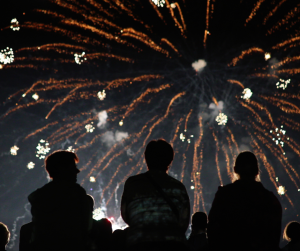
Fireworks night can be an overwhelming experience for neurodivergent children. The sudden loud noises, bright flashing lights, and unpredictable nature of firework displays can trigger sensory overload in children with autism, ADHD, or other neurodevelopmental conditions. If you’re wondering how to help your neurodivergent child cope with fireworks, this comprehensive guide will provide you with practical strategies to make bonfire night less stressful for your family.
Understanding Why Fireworks Are Challenging for Neurodivergent Children
Many neurodivergent children experience sensory processing differences that make fireworks particularly difficult. Children with autism and sensory sensitivities often have heightened responses to loud noises, which means the bangs and whistles of fireworks can feel physically painful or threatening. Similarly, children with ADHD may struggle with the unpredictability of when the next loud sound will occur, increasing anxiety levels throughout the evening.
The combination of sensory triggers during fireworks night includes unexpected loud noises, bright flashing lights, strong smells from bonfires and food, large crowds, and changes to routine. Understanding these specific challenges is the first step in helping your autistic child manage fireworks anxiety.
Preparing Your Child in Advance: The Key to Success
Start Conversations Early
Begin talking about fireworks night at least two weeks in advance. For children who benefit from visual supports, use social stories about fireworks for autistic children. These can help explain what will happen, why fireworks make loud noises, and what your child can do if they feel worried.
Create a Visual Schedule for Fireworks Night
Visual schedules work brilliantly for helping neurodivergent children understand what to expect during fireworks displays. Include pictures showing the sequence of events, what time things will happen, when the loud noises will start, how long the display will last, and when you’ll return home to safety.
Gradual Exposure to Firework Sounds
In the weeks leading up to bonfire night, consider gradual desensitization to firework noises. Play quiet firework sound recordings during calm moments, gradually increasing the volume over several days (only if your child copes well), and always give your child control over stopping the sounds. This technique for reducing fireworks anxiety in children with autism should be done gently and never forced.
Sensory Strategies to Help Neurodivergent Children During Fireworks
Noise-Reducing Solutions
Investing in proper ear protection for children with sensory processing disorder can make an enormous difference. Consider noise-cancelling headphones for kids with autism, which can reduce sound by up to 30 decibels, comfortable ear defenders designed for children, or musician’s earplugs that reduce volume while maintaining sound quality.
Create a Sensory-Safe Space at Home
If you’re planning to stay home during fireworks night, designate a calm room away from windows where your neurodivergent child can retreat. This sensory-friendly fireworks night setup might include weighted blankets for calming, favourite comfortable clothing, dim lighting or fairy lights instead of harsh overhead lights, familiar comforting toys or objects, and noise-cancelling headphones or white noise machines.
Calming Sensory Activities During Fireworks
Keep your child engaged with activities that provide proprioceptive or deep pressure input, which can be naturally calming for children with sensory processing challenges. Try heavy work activities like pushing a laundry basket, squeezing therapy putty or stress balls, wrapping up in blankets for gentle compression, or following a calming sensory diet routine your occupational therapist may have suggested.
Should You Attend a Fireworks Display with Your Neurodivergent Child?
This is a personal decision that depends entirely on your child’s individual needs and sensory profile. Some children with autism can enjoy fireworks from a distance with appropriate support, while others will find the experience too overwhelming regardless of preparation.
Alternatives to Traditional Fireworks Displays
If you decide that attending a public fireworks event isn’t right for your neurodivergent child, consider these autism-friendly alternatives to fireworks night:
Silent Fireworks Events: Some communities now offer sensory-friendly fireworks displays with reduced noise levels specifically designed for children with autism and sensory sensitivities.
Watch from a Distance: You can often see fireworks displays from several streets away, where the noise is significantly reduced while still enjoying the visual spectacle.
Daytime Bonfire Celebrations: Host or attend a daytime gathering with sparklers, outdoor games, and special treats, avoiding the sensory challenges of evening fireworks entirely.
Virtual Fireworks: Watch professionally recorded fireworks displays where your child controls the volume and can pause whenever needed.
Managing Anxiety in Neurodivergent Children During Fireworks Season
Recognise the Signs of Sensory Overload
Understanding when your child is becoming overwhelmed is crucial for preventing meltdowns. Common signs of sensory overload in autistic children during fireworks include covering ears or eyes, becoming unusually quiet or withdrawn, increased stimming behaviors, verbal protests or distress, and difficulty following usual instructions.
Calming Techniques for Anxious Neurodivergent Children
Have these coping strategies ready for managing fireworks anxiety in children with ADHD or autism:
- Practice deep breathing exercises beforehand that your child can use during stressful moments
- Use a calm, reassuring voice and simple language
- Offer physical comfort if your child finds it soothing (but respect if they need space)
- Remind them that the loud noises will end and they are safe
- Consider using a visual timer to show when the fireworks will be finished
When to Leave or Stay Home
Give yourself full permission to leave a fireworks display early or skip it entirely. Your child’s wellbeing is more important than staying for the full event. Plan your exit strategy in advance, including parking near an exit, having a quiet place in mind to retreat to, and being prepared to leave without seeing the whole display.
Practical Tips for Fireworks Night Success
Control What You Can
Reduce other potential stressors on fireworks night by keeping familiar routines for meals and bedtime, dressing your child in comfortable clothing, bringing familiar comfort items from home, and arriving early to avoid crowds if attending an event.
Communicate with Your Child
Use clear, concrete language when explaining what will happen. Instead of saying “It might be a bit noisy,” try “The fireworks will make very loud bangs. We can wear special headphones to make them quieter. If you don’t like it, we can go home.”
Prepare Siblings and Family Members
Make sure everyone in the family understands your neurodivergent child’s needs during fireworks night. This prevents well-meaning relatives from creating additional pressure or expectations that might increase your child’s stress.
The Days Following Fireworks Night
Remember that the effects of sensory overload from fireworks can extend beyond the actual event. In the days following bonfire night, your neurodivergent child might need extra support, including more downtime and quiet activities, increased patience with behaviour that might be more challenging, additional sensory regulation strategies, and maintaining consistent routines to restore a sense of safety.
When to Seek Professional Support
If your child’s anxiety about fireworks or response to loud noises significantly impacts their daily life, it may be helpful to speak with a healthcare professional. At Young Wellbeing Hub, our CQC-registered team specializes in neurodevelopmental assessments and treatment for children and young people. We can help identify specific sensory processing challenges and develop personalized strategies to support your child.
Our occupational therapists can create tailored sensory diets and coping strategies for managing sensory sensitivities in neurodivergent children, while our clinical psychologists can work with children experiencing significant anxiety related to sensory experiences.
Final Thoughts: You Know Your Child Best
There’s no single right way to approach fireworks night with a neurodivergent child. What works beautifully for one child with autism or ADHD may not suit another. Trust your parental instincts, prepare as much as possible, and remember that protecting your child’s sensory and emotional wellbeing is always the right choice, even if that means missing traditional celebrations.
By planning ahead, using appropriate sensory supports, and giving yourself permission to prioritize your child’s needs, you can help make fireworks season manageable for your neurodivergent child. Whether you celebrate in a sensory-safe space at home, attend a quiet-friendly event, or skip fireworks entirely, you’re making the decision that’s right for your family.
Need support for your neurodivergent child? Young Wellbeing Hub offers comprehensive neurodevelopmental assessments and evidence-based treatment for children and young people. Our experienced, CQC-registered team can help you understand your child’s unique sensory profile and develop practical strategies for daily challenges. Contact us today to learn more about how we can support your family.