When your child receives an autism diagnosis, it’s natural to wonder about their future. Will they be able to pursue their dreams? Can they achieve success in their chosen field? The answer is a resounding yes. Throughout history, many remarkable individuals with autism have made groundbreaking contributions to science, technology, arts, and society.
At Young Wellbeing Hub, we believe in celebrating the unique strengths and talents that autistic individuals bring to our world. These inspiring stories demonstrate that with the right support and understanding, people with autism can achieve extraordinary things.
Understanding Autism and Success
Autism spectrum disorder affects how people communicate, interact socially, and process information. However, it’s important to remember that autism is not a barrier to success. Many autistic individuals possess exceptional abilities, including:
- Intense focus and attention to detail
- Systematic and logical thinking
- Strong pattern recognition skills
- Exceptional memory abilities
- Innovative problem-solving approaches
- Unique perspectives and creativity
Historical figures with Autism
While we cannot definitively diagnose historical figures, many researchers have suggested that some of history’s greatest minds may have been on the autism spectrum. These individuals demonstrated characteristics often associated with autism, such as intense focus, systematic thinking, and difficulty with social conventions.
Albert Einstein
Einstein was described as a “loner” and repeated sentences and phrases until he was seven. Even researchers claim that “there does not seem much doubt” that Einstein was on the spectrum. Features of autism were present in his personality, such as: obsessive interests, difficulty in social relationships, and issues with communication.
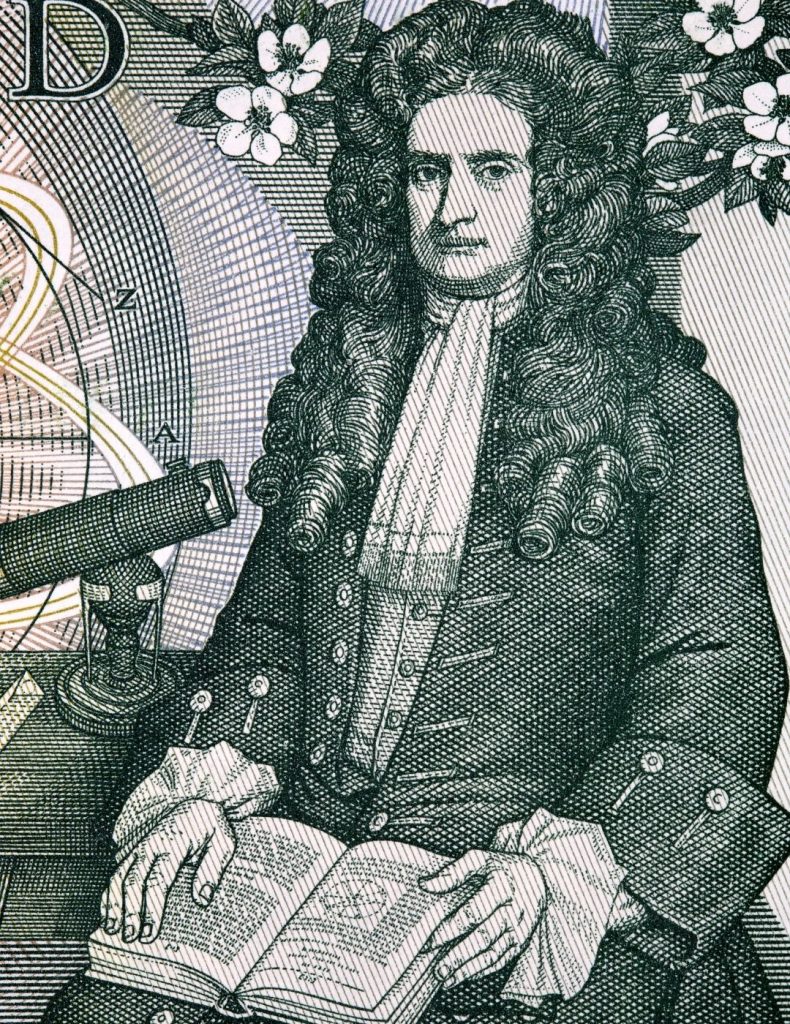
Sir Isaac Newton
Similarly, Sir Isaac Newton, often referred to as the father of modern science, is believed to have been on the spectrum. The English physicist and mathematician had telling traits such as: hardly speaking, constantly immersed in his work, and his temperament was believed to be very up and down. Whilst these traits alone do not indicate someone on the spectrum, researchers have found many other traits indicating Newton might have been autistic.
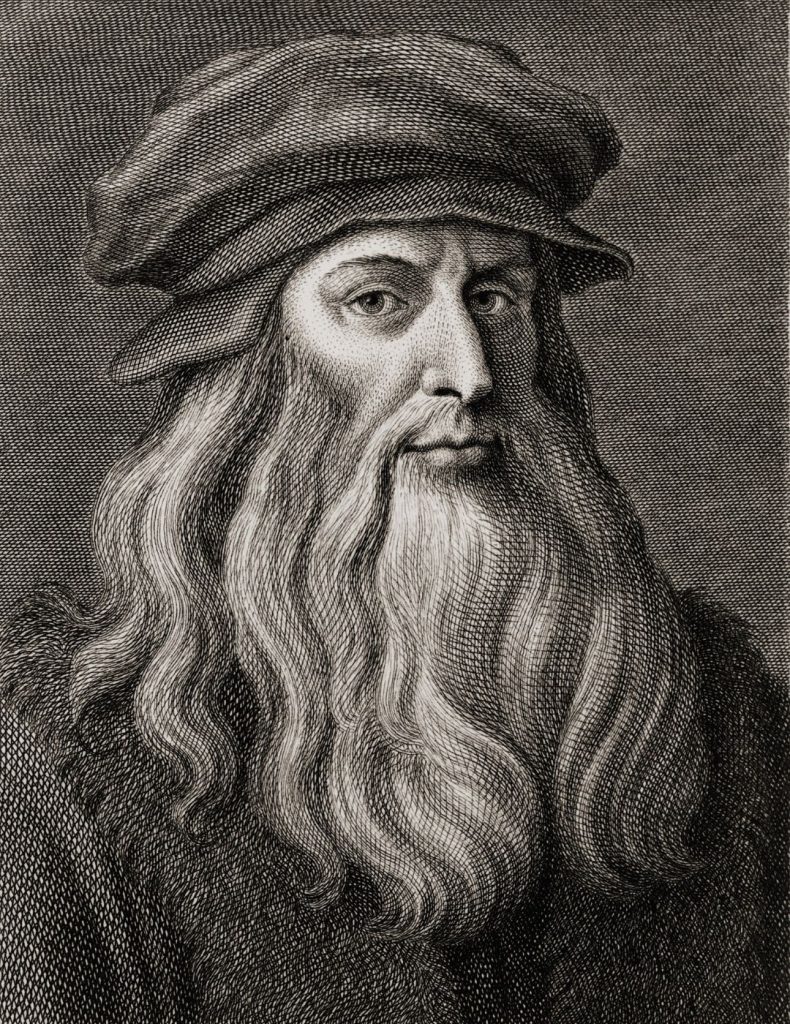
Leonardo da Vinci
Whilst some have reported that the famous painter was on the autism spectrum, two scientists studied historical accounts of his personality/action and came to the conclusion that the painter likely had ADHD and shared traits with autism. Scientists found “his notebooks show mirror writing and spelling errors that have been considered suggestive of dyslexia.”, he was also left-handed which is more prevalent in children with neurodevelopmental conditions.
Sports and Athletics
Jessica-Jane Applegate
A British Paralympic swimmer who has won multiple medals and holds world records. Diagnosed with Asperger’s syndrome, she has spoken about how her focus and determination have contributed to her swimming success.
Tim Ellis
An American swimmer, competed in the Paralympics and has been open about his autism diagnosis, using his platform to encourage other young people with autism to pursue their athletic dreams.
Several other Olympic and Paralympic athletes have openly discussed their autism diagnosis, becoming role models for young people with autism who dream of sporting success. Their ability to focus intensively on training, attention to technique, and systematic approach to improvement often contribute to their outstanding achievements.
Celebrities with Autism
The entertainment industry includes several successful celebrities who are the autism spectrum. They’ve used their own experiences to bring authentic portrayals and heartfelt performances to stage while advocating for better representation and understanding.
Susan Boyle
Susan Boyle became famous for shocking the audience with her voice in 2009 on Britain’s Got Talent. At first, the audience was amused by this eccentric middle-aged woman on stage but when Susan began singing, her performance amazed the audience and the judges.
Susan has expressed she often had unfair labels placed on her throughout her life, when she was diagnosed with autism she described it as a “a relief.”, being undiagnosed for such a long time meant she felt like an outsider during her childhood because many people did not understand her.
Sir Anthony Hopkins
Actor, director, and film producer Anthony Hopkins has won several accolades, such as an Academy Award, BAFTAs, Emmys, and was knighted by Queen Elizabeth in 1993 for his services to drama and the arts. Sir Anthony struggled in school throughout his childhood and describes himself as a “poor learner” which led him to be bullied and feeling he was inferior. He always believed that he was stupid, however when he discovered drama he would step outside of himself and become his character, performing his part and the discarding of it after. Despite his challenges throughout childhood, Sir Anthony became one of the most well known names in the acting world.
Advocates and Entrepreneurs
Temple Grandin
Perhaps one of the most well-known advocates for autism awareness, Dr. Temple Grandin is a renowned animal scientist and autism spokesperson. She has revolutionised livestock handling systems and written extensively about her experiences as an autistic person. Her work has improved animal welfare worldwide, and she continues to inspire countless individuals through her speaking and writing.
Greta Thunberg
Greta Thunberg is a Swedish an environmental activist who became famous because of the school climate strike movement. She has shared on her twitter account that “I have Asperger’s, that means I’m sometimes a bit different from the norm. And, given the right circumstances, being different is a superpower…”
Greta has done some incredible work raising awareness for climate change, and continues to be a force to be reckoned with.
What These Success Stories Teach Us
Strengths-Based Approach
These successful individuals often attribute their achievements to the very traits associated with their autism. Rather than viewing autism as something to overcome, they’ve embraced their differences and turned them into advantages.
Importance of Support
Behind every success story is a support network. Whether it’s family, teachers, mentors, or colleagues, having people who understand and accommodate different needs is crucial for success.
Diverse Paths to Success
There’s no single route to achievement. Some successful autistic individuals were diagnosed early and received targeted support, while others weren’t diagnosed until adulthood. Some excelled academically, while others found alternative pathways to their goals.
Authenticity Matters
Many successful people with autism emphasise the importance of being authentic and not trying to mask their natural ways of being. When they stopped trying to fit into neurotypical expectations and embraced their unique perspectives, they often found greater success and fulfillment.
Supporting Your Child’s Journey
These inspiring stories show that autism and success are not mutually exclusive. Here’s how you can support your child’s potential:
Focus on Strengths
Identify and nurture your child’s interests and natural abilities. Many successful autistic individuals have turned childhood obsessions into successful careers.
Provide the Right Environment
Create supportive environments at home and advocate for accommodations at school. Success often comes when individuals can work in ways that suit their neurological differences.
Build Confidence
Celebrate achievements, no matter how small. Building confidence and self-advocacy skills is crucial for long-term success.
Connect with Role Models
Share stories of successful autistic individuals in areas that interest your child. Representation matters and can help young people envision their own potential.
Develop Life Skills
While focusing on strengths, also work on developing practical life skills and coping strategies for challenging situations.
The Future is Bright
Society’s understanding of autism continues to evolve, and workplaces are increasingly recognising the value that neurodivergent individuals bring. Many companies now actively recruit autistic employees for their unique skills and perspectives.
The key is finding environments and careers that align with individual strengths and interests while providing necessary support and accommodations.
Creating Inclusive Communities
These success stories remind us that when we create inclusive communities that value different ways of thinking and being, everyone benefits. The innovations, art, and discoveries made by autistic individuals have enriched our world immeasurably.
At Young Wellbeing Hub, we work with families to identify each child’s unique strengths and develop strategies to support their success. Every autistic child has potential – our role is to help unlock it.
Looking Forward
Your child’s autism diagnosis is not a limitation on their future – it’s simply one aspect of who they are. With understanding, support, and the right opportunities, they can pursue their dreams and make their own unique contribution to the world.
The famous individuals mentioned in this article started as children with autism, supported by families who believed in their potential. Your belief in your child and your commitment to understanding and supporting them is the foundation for their future success.
Remember, success comes in many forms. Whether your child becomes a scientist, artist, entrepreneur, athlete, or anything else they choose to be, what matters most is that they feel valued, supported, and free to be authentically themselves.
At Young Wellbeing Hub, we’re committed to supporting children and young people with autism to reach their full potential. Our comprehensive assessments and ongoing support services help families understand their child’s unique strengths and develop strategies for success. Contact us today to learn more about how we can support your family’s journey.